
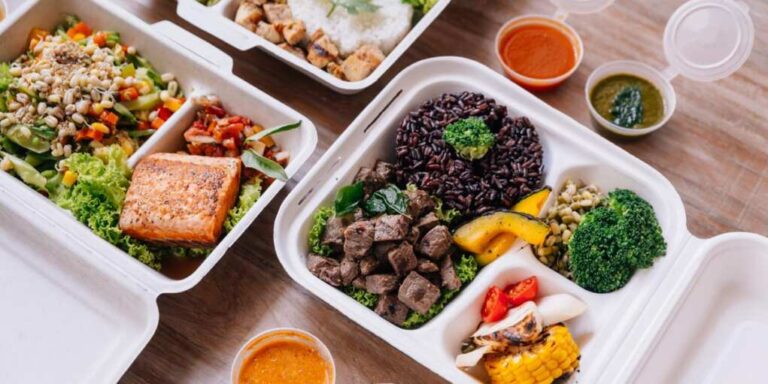
Agriculture Secretary Brooke Rollins sparked a debate by telling Americans squeezed by grocery prices they can still eat healthy by keeping meals to about $3.
Critics pounced. Protein prices are up. Beef has risen significantly. How can anyone eat well for $3?
Economist Steve Moore defended the initiative on CNN, arguing that better diets could dramatically reduce long-term healthcare spending — and that cost-conscious consumers can make it work.
“We could cut our health care costs dramatically with just better diets for people.”
He’s right. And this is actually a bigger story than the $3 talking point suggests.
The Real Initiative
Rollins and HHS Secretary Robert F. Kennedy Jr. rolled out updated federal nutrition guidance that represents a sweeping reset of food policy.
The revised framework moves away from the traditional food pyramid — the government-approved nonsense that told Americans to load up on grains and carbs while avoiding fat.
The new guidance steers consumers toward protein, healthy fats, and whole foods while discouraging heavily processed products.
This is a fundamental shift. For decades, federal dietary guidelines contributed to the obesity epidemic by demonizing fat and promoting carbohydrates. The food pyramid was wrong. The government is finally admitting it.
The Healthcare Connection
Moore made the essential point that critics are missing.
America spends more on healthcare than any country in the world. A huge portion of that spending treats preventable conditions — diabetes, heart disease, obesity-related illnesses.
These conditions are largely driven by diet. Processed foods. Excessive sugar. Seed oils. The exact things federal guidelines previously ignored or even encouraged.
“I’m the first in line that doesn’t have a very healthy diet. I eat way too much sugar and processed food. And that’s just not good for you.”
If Americans actually followed the new guidelines — more protein, healthy fats, whole foods, less processed garbage — healthcare costs would plummet.
That’s not theory. Countries with better diets have lower healthcare spending. The math is straightforward.
Can You Actually Eat for $3?
Moore acknowledged the challenge.
“It depends on what you’re putting in that tortilla.”
Egg prices have fallen. Pork prices have dropped. These are quality protein sources available cheaply.
Beef has risen — up 15.5% from a year ago. Coffee jumped nearly 20%. Overall grocery prices increased 3.1% year-over-year.
Eating healthy for $3 per meal requires being strategic. Eggs, pork, chicken thighs, seasonal vegetables, rice, beans. It’s possible — but it requires effort and planning.
The administration isn’t claiming everyone will hit $3 exactly. They’re making the point that healthy eating doesn’t require expensive specialty foods or organic everything.
Ditching the Food Pyramid
The bigger news is the fundamental shift in nutritional guidance.
The food pyramid told Americans that grains should form the base of their diet — 6-11 servings daily. Fat was the enemy. Meat was suspect.
The result? Americans got fatter and sicker. Diabetes rates exploded. Heart disease remained the leading killer. Obesity became an epidemic.
Turns out the “experts” were wrong. Fat isn’t the enemy — processed carbohydrates and sugar are.
The new guidelines reflect what nutritional science has learned over the past two decades. Protein matters. Healthy fats are essential for brain function and hormone production. Whole foods beat processed alternatives.
RFK Jr.’s Influence
Kennedy’s “Make America Healthy Again” agenda is reshaping federal health policy.
He’s targeted seed oils, food additives, and processed ingredients that have proliferated in the American food supply. He’s questioned why American food standards allow ingredients banned in Europe.
The new dietary guidelines reflect this philosophy. Stop eating garbage. Eat real food. Your health will improve.
Critics mock Kennedy’s approach as unscientific. But the previous “scientific” consensus gave us the food pyramid — and an obesity epidemic.
Maybe listening to different voices isn’t such a bad idea.
The Political Angle
Democrats will attack the $3 meal framing as out of touch.
They’ll point to rising grocery prices. They’ll claim the administration doesn’t understand what families face.
But they won’t attack the actual dietary guidelines — because the guidelines are correct. Protein and whole foods ARE better than processed carbohydrates. The food pyramid WAS wrong.
The $3 number is a distraction. The substantive policy shift toward healthier eating is significant and defensible.
Personal Responsibility Meets Policy
The administration is doing two things simultaneously.
First, providing accurate information about nutrition — reversing decades of bad guidance that contributed to American health problems.
Second, encouraging personal responsibility — showing that healthy eating is achievable on a budget if consumers make smart choices.
Neither requires government mandates or food bans. It’s information and encouragement, not coercion.
That’s how health policy should work. Give people accurate information. Let them make their own choices.
The Long-Term Impact
If Americans actually followed the new guidelines, the effects would be profound.
Lower obesity rates. Reduced diabetes incidence. Fewer heart disease deaths. Decreased healthcare spending.
Healthier Americans are more productive workers, better parents, and less dependent on government programs.
The connection between diet and national prosperity isn’t abstract. Countries with healthy populations outperform those with sick ones.
Moore’s Admission
Steve Moore’s personal confession was refreshing.
“I eat way too much sugar and processed food. And that’s just not good for you.”
He’s not pretending to be a health guru. He’s acknowledging what most Americans know: our diets are terrible, and it’s harming us.
The question is whether people will actually change behavior based on better information.
That’s always been the challenge. The government can provide accurate guidance. It can’t force people to follow it.
The $3 Challenge
Whether $3 per meal is realistic depends on individual circumstances.
Family size, location, food availability, cooking skills — all affect what’s achievable.
But the underlying point is valid: healthy eating doesn’t require expensive specialty stores or premium ingredients. Basic proteins, vegetables, and whole foods are available affordably if you know how to shop and cook.
The administration is encouraging Americans to try. Critics are encouraging them to give up.
One approach leads to better health. The other leads to continued decline.
Real Food, Real Change
The Trump administration is telling Americans something previous administrations wouldn’t: the old dietary guidelines were wrong, healthy eating is achievable, and your choices matter.
It’s not complicated. Eat protein. Eat vegetables. Avoid processed garbage. Cook at home when possible.
$3 per meal might be ambitious. But the direction is correct.
And if Americans actually follow the new guidelines, healthcare costs really could drop “dramatically.”
That’s worth more than arguing about whether a tortilla costs $3 or $4.