
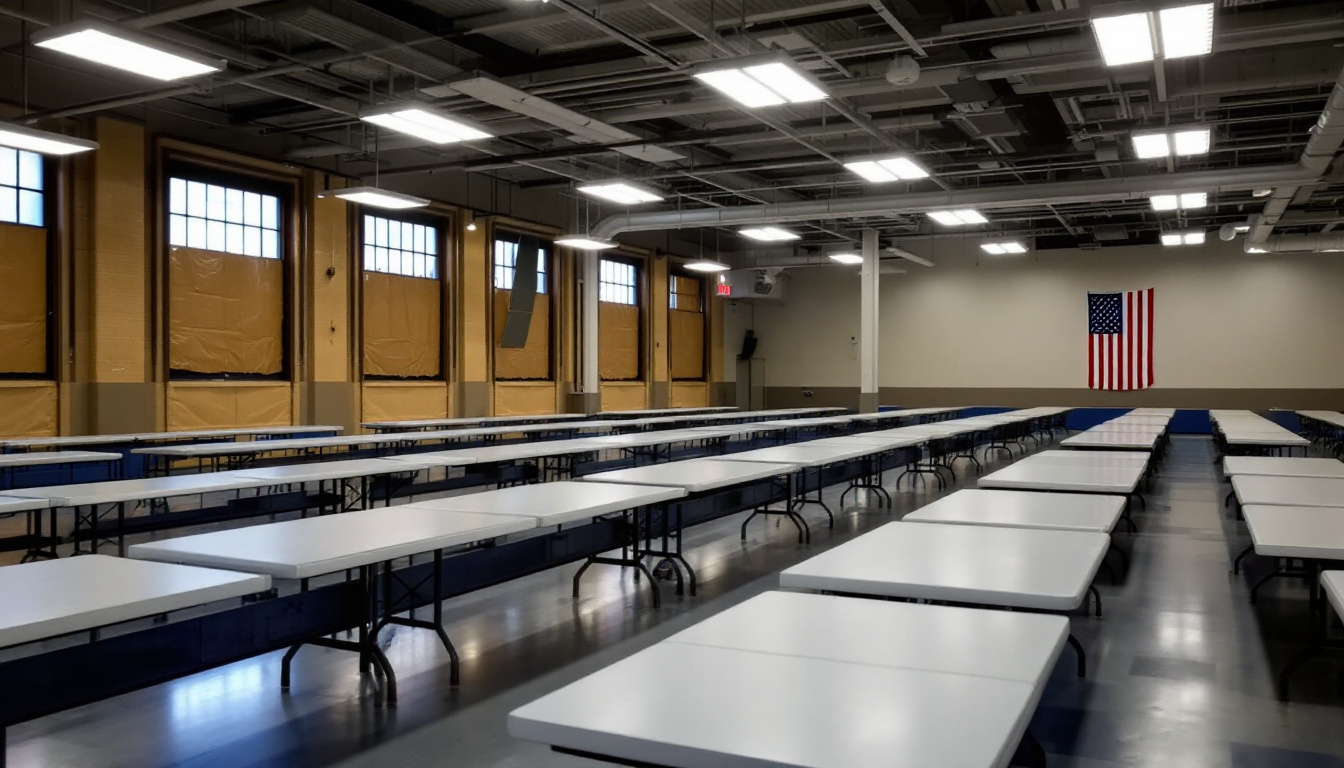
In November 2020, election workers at Detroit's TCF Center started covering the windows of the room where the city's absentee ballots were being counted. Republican poll challengers outside were pressed against the glass, trying to see in. The cardboard went up one window at a time until they couldn't see a thing.
Michigan officials have explained it twice.
Explanation No. 1, from Secretary of State Jocelyn Benson's side: police covered the windows over concerns they were being broken.
Explanation No. 2, from the Michigan Department of State: the cardboard went up "to stop people outside from filming election workers and private information."
Privacy, at the most closely watched ballot count in America, during a presidential election half the country didn't trust.
When the story changes, people notice. Americans who watched that video and asked questions were told to trust the process. The ones who kept asking were called conspiracy theorists.
Now there are a million pages of records to go with the questions.
A Detroit man named Yehuda Miller filed a public records request for the city's 2020 absentee ballot processing records. The city said no. Miller sued in Wayne County Circuit Court in 2023. Rather than defend its secrecy in front of a judge, Detroit's city council authorized a settlement, and the city handed the records over.
There were nearly a million pages, including roughly 155,000 absentee ballot envelopes from the TCF Center.
It took more than 100 volunteers, working with a group called Check My Vote, to get through them. They checked the records against what witnesses said they saw inside that building in November 2020.
One number stands out. Poll watchers in 2020 described large batches of what workers called "military ballots" coming in and being processed. Ballots from military and overseas voters fall under a special federal law, the Uniformed and Overseas Citizens Absentee Voting Act. According to the review, Detroit's records show 746 of those ballots at the TCF Center.
Only 132 of them were from the military.
That's about the size of one Army company, for the entire count. So what were the "large batches" witnesses saw coming through the door with the military's name on them? Detroit hasn't said.
Benson's office certified the results and defended the TCF Center count from day one. The windows were reasonable, the process was transparent, and there was nothing to see. If that were true, the records would have been easy to hand over. Instead, Detroit made a citizen sue for them, then settled rather than defend its refusal in court.
In 2021, the Republican-led Michigan Senate Oversight Committee held about 30 hours of hearings and heard from 87 witnesses. It said it found no evidence proving significant fraud or an "organized, wide-scale effort," but it flagged real weaknesses in how the count was run and called for reforms. It did all of that without these million pages.
The review doesn't prove fraud, and nobody has independently audited it yet. But it does reopen questions Detroit has spent nearly six years refusing to answer, and settling them is simple. Release the full source files and ballot counts so anyone can check the math, and explain the gap between what witnesses saw and what the records say.
Governments with nothing to hide hand over records the first time someone asks. Detroit made Yehuda Miller sue.
The cardboard is gone and the records are out. Detroit has offered two explanations. Explanation No. 3, the one that matches the records, is long overdue.