
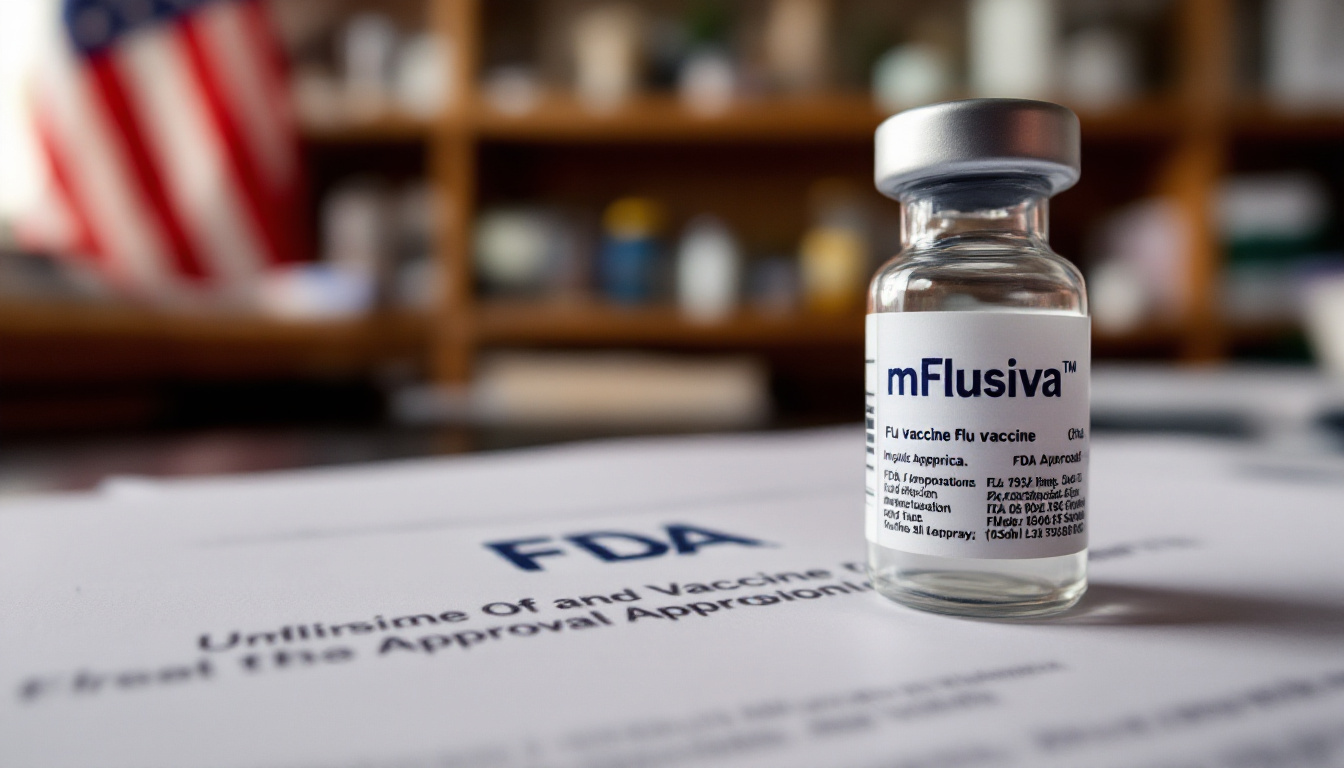
On February 3, 2026, Dr. Vinay Prasad — then the director of the FDA's Center for Biologics Evaluation and Research — overruled the recommendation of his own career staff and issued a rare refusal-to-file letter to Moderna, declining to even review the company's application for an mRNA-based flu vaccine. His objection was specific: Moderna had tested its shot against a standard-dose flu vaccine rather than the high-dose version preferred for seniors, a comparator he said didn't represent the best available standard of care.
Two weeks later, his decision was reversed. By April, Prasad was gone from the FDA entirely.
On August 5, FDA Commissioner Marty Makary's agency approved Moderna's mFlusiva — the first influenza vaccine in American history built on mRNA technology — for all adults aged 50 and older. The same messenger RNA platform that sparked the largest vaccine controversy in a generation is now coming to your annual flu shot. Makary characterized Prasad's original refusal as merely "part of a conversation that occurs with all drug makers," which is a fascinating way to describe a senior official getting overruled and then exiting the building.
The approval came in two flavors. Adults aged 50 to 64 received a standard full approval. Adults 65 and older got an accelerated approval — meaning the FDA cleared it while requiring Moderna to run an additional confirmatory trial in older patients over the next two flu seasons. In clinical trials, mFlusiva was found to be approximately 27% more effective than a standard flu shot, according to Moderna's data. The company says the vaccine will be available in a few weeks, just in time for the 2026-2027 flu season.
The FDA's vaccine advisory committee — the Vaccines and Related Biological Products Advisory Committee, or VRBPAC — voted 9-0 on June 18 to recommend the vaccine. Unanimous. Not a single dissenting voice on a panel reviewing the first new vaccine platform for influenza in decades.
The one federal body designed to translate FDA approvals into actual clinical recommendations — the CDC's Advisory Committee on Immunization Practices, known as ACIP — can't weigh in on mFlusiva at all right now. HHS Secretary Robert F. Kennedy Jr. terminated all 17 sitting members of that committee and attempted to replace them with his own picks. A federal district court in Massachusetts stayed the reconstitution in March 2026, ruling that Kennedy's mass termination likely violated federal advisory law. The committee's next scheduled meeting isn't until October 2026.
Without an ACIP recommendation, insurers aren't required to cover the vaccine at no cost under the Affordable Care Act. So the FDA approved it, the advisory panel endorsed it unanimously, but the mechanism that actually gets it covered by your insurance is frozen in legal limbo — partly because of a reform effort that was trying to put more skeptical eyes on exactly these kinds of approvals.
Dr. Brian Hooker, chief medical officer at Children's Health Defense, isn't celebrating. "I really believe that this technology is just too new," Hooker said. "There has not been the adequate level of study of the implications for, you know, literally everybody. I just feel like the train is leaving the station, and we're not ready yet."
Kennedy, who has publicly called the COVID-19 vaccines "the deadliest vaccine ever made" and has questioned whether mRNA shots provide meaningful protection against respiratory infections, now presides over a department whose FDA just approved the expansion of that same technology into the most common vaccine in America.
So the timeline reads like this: the FDA's biologics chief tries to slow-walk an mRNA flu vaccine. He gets overruled through a Type A meeting — the agency's mechanism for resolving urgent disagreements. He's out the door by April. The vaccine sails through a 9-0 advisory vote. It gets approved on the target date. And the one committee that might have actually scrutinized the rollout recommendations is sitting in a courthouse instead of a conference room.
Moderna is already working on a combination mRNA vaccine that would target both flu and COVID in a single shot — a product that this approval now clears the regulatory path for.
The mRNA platform just went from emergency pandemic measure to permanent fixture in American medicine. The only official who raised a procedural objection is gone, and the oversight committee designed to ask hard questions about who should actually get the shot can't meet. mFlusiva will be on pharmacy shelves within weeks.
The FDA approved the vaccine. The advisory panel endorsed it. The insurance coverage mechanism is broken. And the one bureaucrat who pumped the brakes is updating his LinkedIn.