
The Department of Energy just authorized PJM Interconnection — the grid operator for 65 million people across 13 states — to order data centers to fire up their backup diesel generators to keep the lights on during this week's heat wave. Peak electricity demand is expected to hit 166 gigawatts on Thursday, shattering a record that's stood since 2006.
The diesel generators. The ones that emit EPA-classified possible carcinogens. Those are the backup plan.
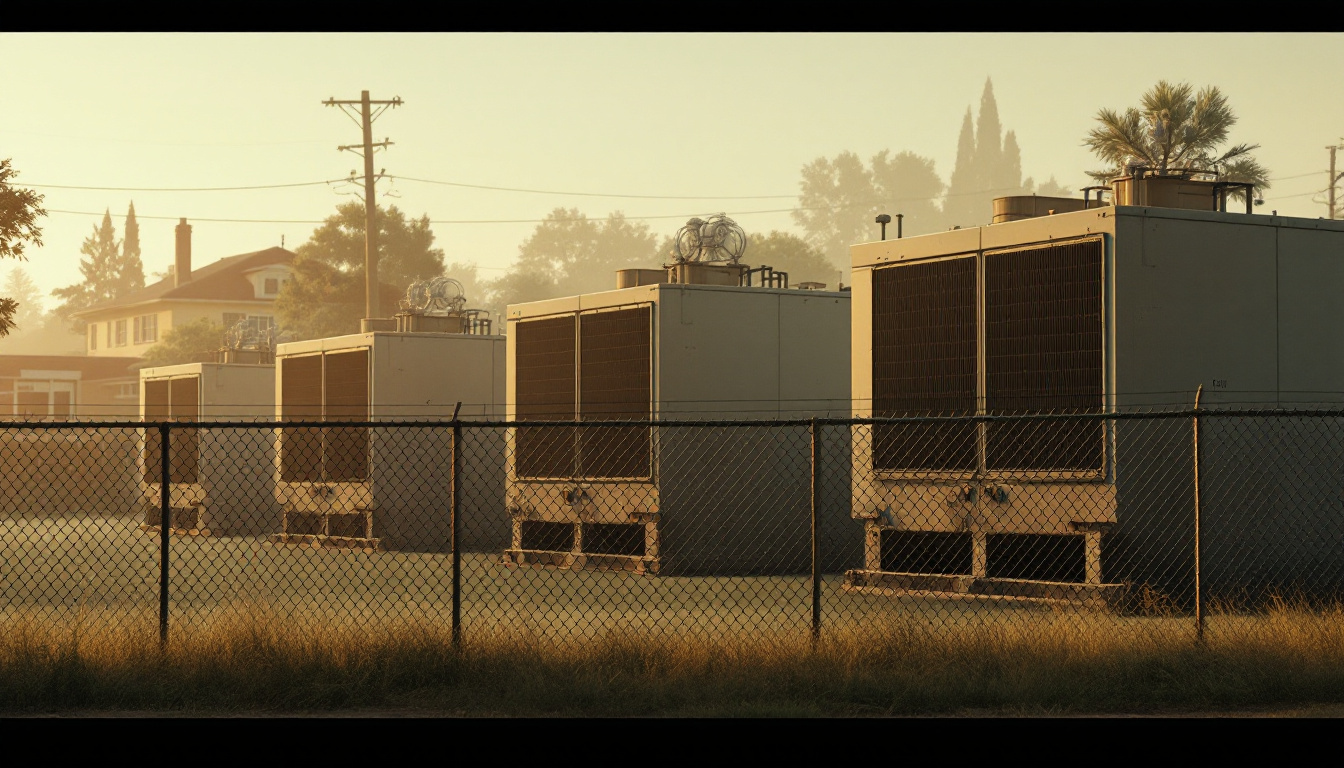
Virginia alone has approved more than 8,000 diesel generators for data centers in recent years, according to Newsmax. One-third of those facilities sit within 500 feet of homes and schools. In 2025 alone, nearly 3,800 additional generators were approved. These aren't tucked away in some industrial wasteland. They're in neighborhoods. Next to playgrounds. Breathing distance from your front porch.
Energy Secretary Chris Wright signed off on the emergency measure as a last resort, after voluntary conservation requests apparently weren't cutting it. The same administration that talks endlessly about clean energy transitions is now telling tech companies to crank up diesel fumes so their AI servers don't overheat.
Former New Jersey utility regulator Abe Silverman didn't sugarcoat it. "It's scary. It worries everyone when you see those kind of numbers," he said of the demand projections.
Grassroots organizer Elena Schlossberg, who lives near the data center corridor in Ashburn, Virginia, framed the choice residents face: "Either our lights go out or we get to breathe in this pollution." During a previous heat wave, residents reported dark smoke plumes rising from the facilities. Not steam. Not water vapor. Diesel exhaust, hanging over a suburb.
Brown University climate scientist Kim Cobb explained the physics: "Even a modest increase in baseline temperature causes an exponential increase in heat extremes." Fair enough. But nobody's asking why the grid can't handle the load in the first place. We've spent years subsidizing solar panels and wind farms, shuttering coal plants, and promising that renewables would carry us into the future. The future arrived this week, and it smells like a truck stop.
Aaron Tinjum, vice president of the Data Center Coalition, represents the industry that's consuming an ever-larger share of the grid. These facilities run around the clock — powering AI models, cloud storage, streaming services — and their appetite for electricity is growing faster than the grid can keep up. The solution, apparently, is thousands of portable diesel engines bolted to concrete pads in Virginia suburbs.
Ann Bennett of the Sierra Club has raised alarms about the health impacts, but the environmental movement has a credibility problem here. They spent a decade demanding we shut down reliable baseload power. Now the replacement plan is diesel generators next to elementary schools, and the emergency authorization came from the Department of Energy itself.
We were told the energy transition would be clean, affordable, and reliable. Two out of three was always optimistic. This week we're batting zero. The grid is maxed, the backup is fossil fuel, and the people living next to these data centers get to choose between a blackout and a cloud of carcinogens.
That's not an energy policy. That's a hostage situation with a generator.