
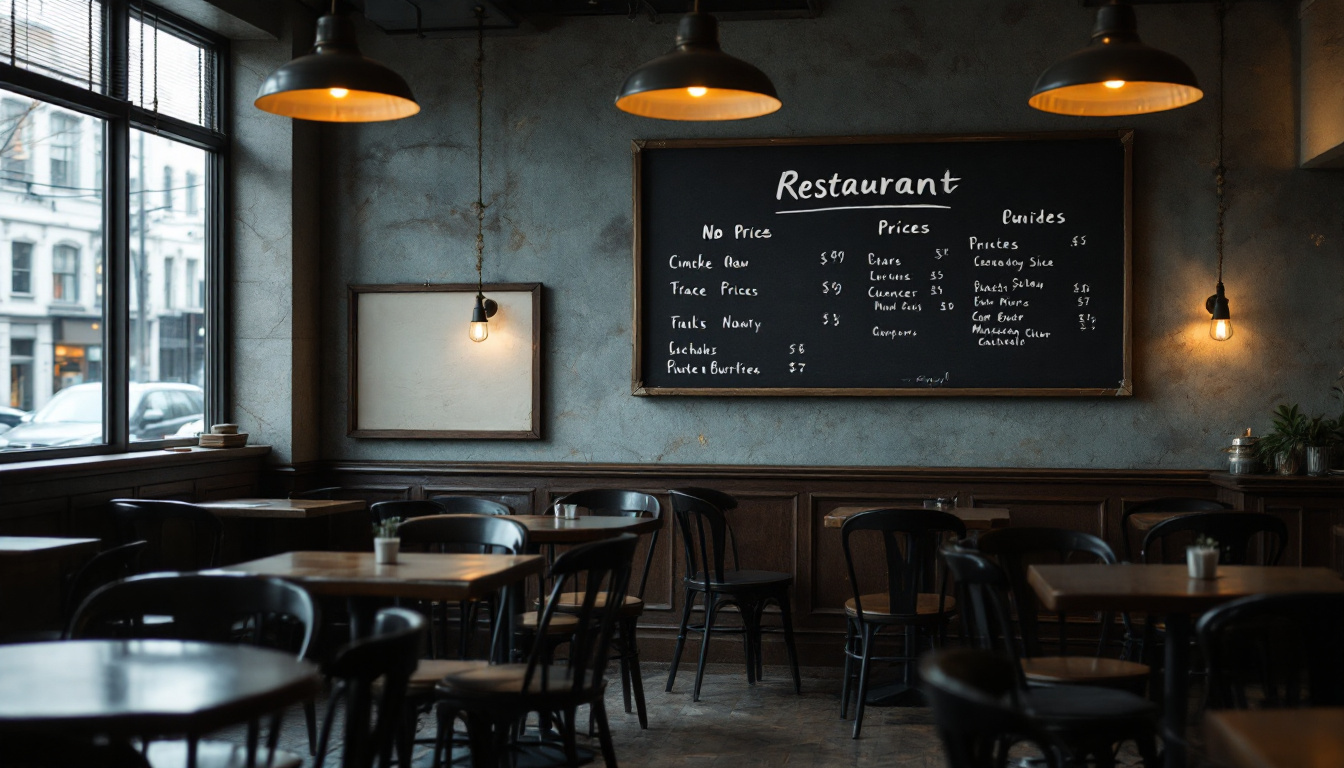
A Minneapolis restaurant called Post Modern Times removed every price from its menu earlier this year and told the world it would feed anyone regardless of ability to pay. Six months later, owner Dylan Alverson was dealing with open drug use inside the building, discarded needles in the alley, and sidewalk overdoses outside his front door.
The socialist buffet experiment lasted exactly six months.
Alverson rebranded his restaurant and launched the pay-what-you-can model as a statement — a declaration that capitalism's grip on the food industry was unnecessary, that community goodwill could replace the profit motive. He went further, announcing that federal immigration enforcement agents were explicitly unwelcome. The Star Tribune reported that people who could not pay lingered around the restaurant all day, displacing neighbors and regular customers alike.
What arrived instead of a cooperative utopia was predictable to anyone who has ever observed human behavior outside a faculty lounge. Overcrowding by non-paying customers. Theft. Neighbors complaining about the chaos spilling onto their block. The restaurant became a magnet for exactly the population least equipped to self-regulate in a system with no rules.
Post Modern Times did attract international donations during its six-month run — people from around the world wanted to support the idea from a safe distance. Contributing money to a Minneapolis restaurant you'll never visit is considerably easier than sitting next to someone nodding off at the table beside you.
By July, Alverson closed the doors temporarily. A few weeks later, in August, he reopened — with prices restored. The pay-what-you-can dream was over. The menu had numbers on it again, like every other restaurant in the country that manages to stay open.
The reaction online to the restaurant's closing was roughly what you'd expect: thousands of people pointing out that an economy built on the honor system tends to attract people without much honor. The model didn't fail because Minneapolis is uniquely greedy. It failed because removing the price mechanism from a business removes the only feedback loop that keeps the operation solvent. That's not ideology. That's math.
The neighbors who dealt with needles and overdoses outside their homes for six months didn't sign up for Alverson's social experiment. They just lived on the wrong block.
Every generation produces someone who believes they've finally found the version of socialism that will work — it just needs the right people, the right city, the right vibes. Post Modern Times had all three, according to its supporters. It also had no prices, no boundaries, and ultimately no restaurant.
Alverson put the prices back on the menu in August. The needles in the alley were already there.