
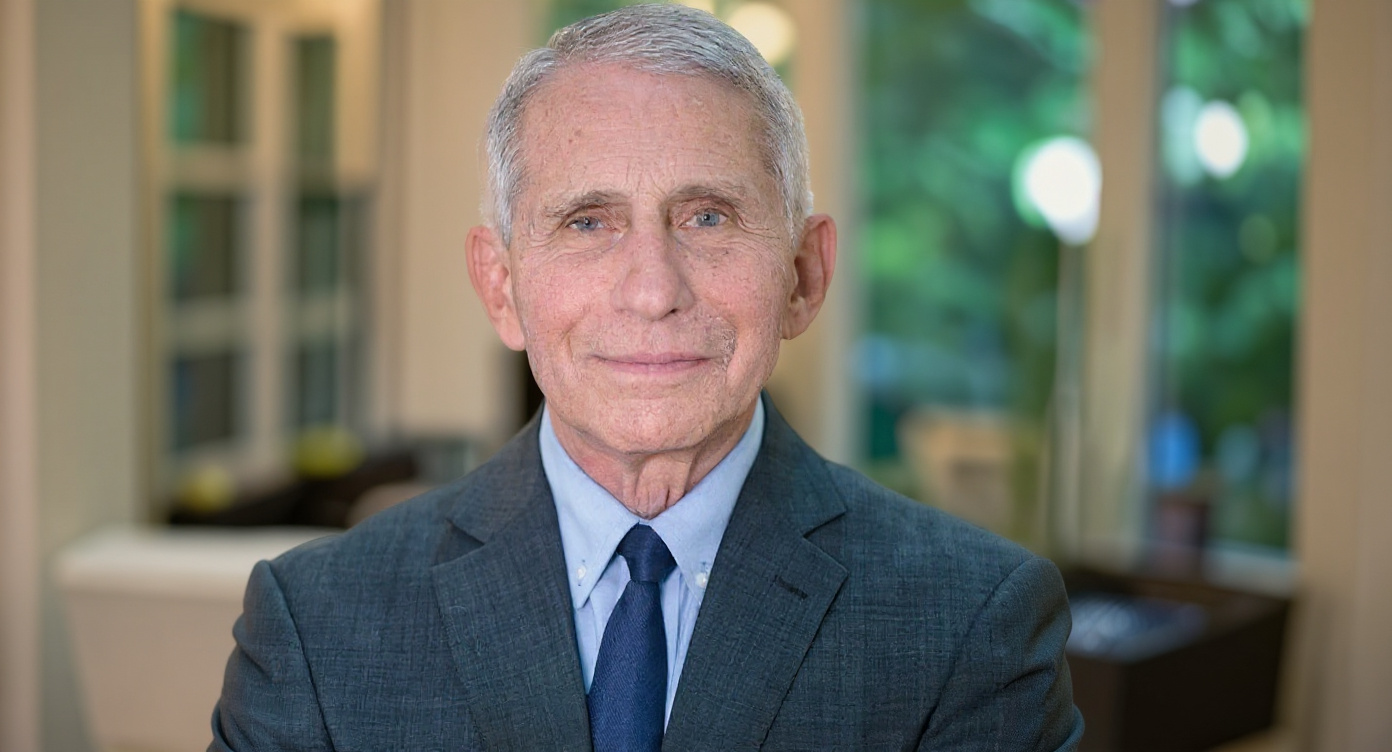
Dr. Anthony Fauci invoked the Fifth Amendment 111 times during his Senate committee hearing last Wednesday. One hundred and eleven times the man who told you to mask your toddlers, shut your business, and skip your mother's funeral sat in front of elected officials and declined to answer their questions.
NPR's big takeaway? The hearing might hurt bureaucrats' feelings.
Freelance science reporter Ari Daniel ran a segment on Thursday under the headline "Anthony Fauci hearing could lead to 'chilling effect.'" Not a chilling effect on gain-of-function research that may have spawned a global pandemic. Not a chilling effect on lying to Congress. A chilling effect on future government employees who might be scared to take cushy six-figure federal jobs because someone could ask them questions about it later.
Sen. Andy Kim, Democrat of New Jersey, supplied the talking point. "These firings and these cuts — they're creating a chilling effect, honestly," Kim told NPR. The network ran with it like they'd found the Rosetta Stone.
Then came epidemiologist Katelyn Jetelina, a regular on PBS News Hour, who delivered the kind of quote that only makes sense inside a Beltway echo chamber. "I thought that we were healing as a country around COVID-19," Jetelina said. "I think what yesterday did was open some really deep wounds."
Healing. We were healing. The man pleaded the Fifth over a hundred times about decisions that shuttered schools, destroyed small businesses, and isolated elderly Americans until they died alone — and we're supposed to be in the "healing" phase.
Jetelina doubled down with the real message. "If you see someone like this — a public servant for the past 50 years — be just completely vilified, it makes me wonder about the next emergency." Fifty years of public service is apparently supposed to function as a shield against accountability. Serve long enough and the questions become optional.
What NPR's segment conveniently left on the cutting room floor was the substance of the hearing itself. The questions about whether American taxpayer money funded gain-of-function research at the Wuhan Institute of Virology. The questions about who knew what and when about the lab-leak theory that NPR itself dismissed in December 2020 with a now-infamous tweet: "There is zero evidence for this. Scientists say the virus was transmitted to humans from another species."
Six years later, roughly 40 percent of Americans believe the virus was created in a lab. NPR hasn't apologized for that tweet. They haven't corrected it. They've moved on to worrying about whether Fauci's feelings got hurt.
The story, according to NPR, isn't what Fauci did. The story is what might happen to the next Fauci if we keep asking uncomfortable questions. It's a neat trick — reframe accountability as persecution, and suddenly the guy pleading the Fifth is the victim.
The word "chilling" does belong in this story. School closures had a chilling effect on childhood literacy. Lockdowns had a chilling effect on small business survival. Suppressing the lab-leak hypothesis had a chilling effect on scientific inquiry.
But the real chill is that a Senate committee asked a 50-year government employee to explain himself, and he chose silence 111 times.