
Harvard, Yale, Stanford, and MIT pay their foreign researchers roughly $20,000 less than the American grad students sitting in the next office over. Same labs. Same federally funded grants. Different visa status, different paycheck.
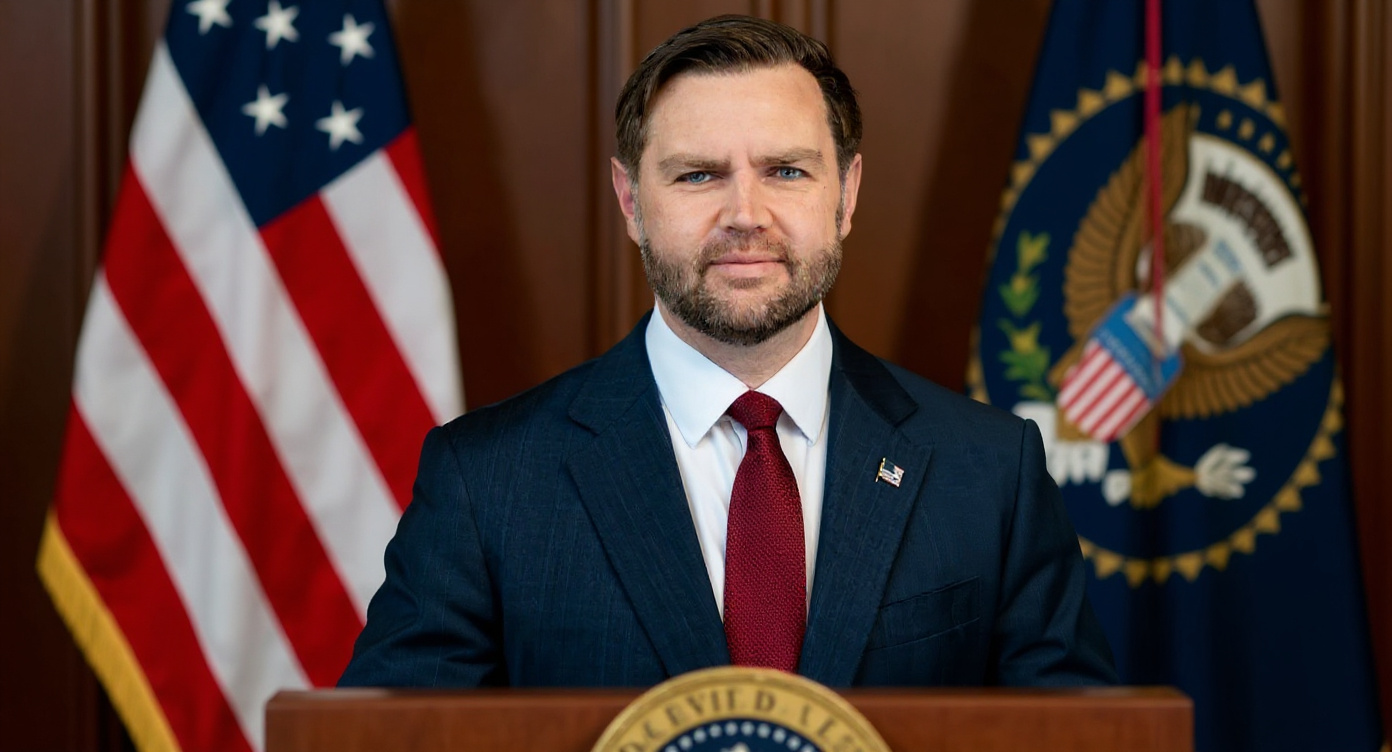
Vice President JD Vance just opened a formal investigation into why.
Vance announced on October 9 that the Labor Department Inspector General would probe nine universities for exploiting the J-1 visa program — a cultural-exchange track that was never designed to be a bulk discount on research labor. The nine schools named: Harvard University, Yale University, Stanford University, Brown University, the University of Pittsburgh, Arizona State University, MIT, Caltech, and UC Davis.
The numbers Vance laid out aren't subtle. The national average rate of J-1 visa usage on federally funded research grants is 38 percent. These nine universities are running at 61 percent.
"What we see is when you employ an American worker as a graduate student as a researcher, they are making about $20,000 more than someone brought in under a J-1 visa and, importantly, these universities are employing J-1 visas for federally funded grants at a rate of 61 percent," Vance said. "The national average is 38 percent, so something weird is going on at these universities."
Something weird. That's one way to put it.
These are the same institutions that issue annual reports on income inequality. The same schools whose presidents testify before Congress about the importance of fair wages and inclusive hiring. The same administrations that plaster "equity" across every strategic plan and donor brochure they print. And behind the brochures, they're importing foreign workers at below-market rates to do the research that American tax dollars are funding.
"Elite universities bring in foreigners to undercut the wages of American residents," Vance said, stripping the whole arrangement down to one sentence. "There are nine universities in particular we believe merit an investigation."
Labor Department Inspector General Anthony D'Esposito didn't soften the framing either. "If an American university is breaking the law to save a dollar while exposing American research to a foreign adversary, that is not academic excellence — it is institutional betrayal," D'Esposito said.
The foreign-adversary angle matters. J-1 visas were built for cultural and educational exchange — visiting scholars, summer work programs, short-term research collaborations. They were not designed as a pipeline for universities to staff entire research departments at a discount. When 61 percent of your federally funded research positions are filled through a cultural-exchange visa, you're not running an exchange program. You're running a labor arbitrage operation with taxpayer money.
The schools on this list have endowments measured in the tens of billions. Harvard's alone sits north of $50 billion. The idea that they need to save $20,000 per researcher by importing cheaper labor through a visa workaround is the kind of argument that collapses the moment you say it out loud.
Vance didn't announce a study. He didn't form a task force. He named the schools, cited the gap, and sent the Inspector General. Nine universities. A 23-point spread above the national average. Twenty thousand dollars per worker.
As reported by Patriot News Alerts, the probe has specific targets and specific numbers — the kind of investigation that tends to produce specific consequences.
The universities that charge $60,000 a year in tuition while lecturing the country about living wages were paying foreign researchers $20,000 less than Americans to do the same work. The Inspector General has the names.