
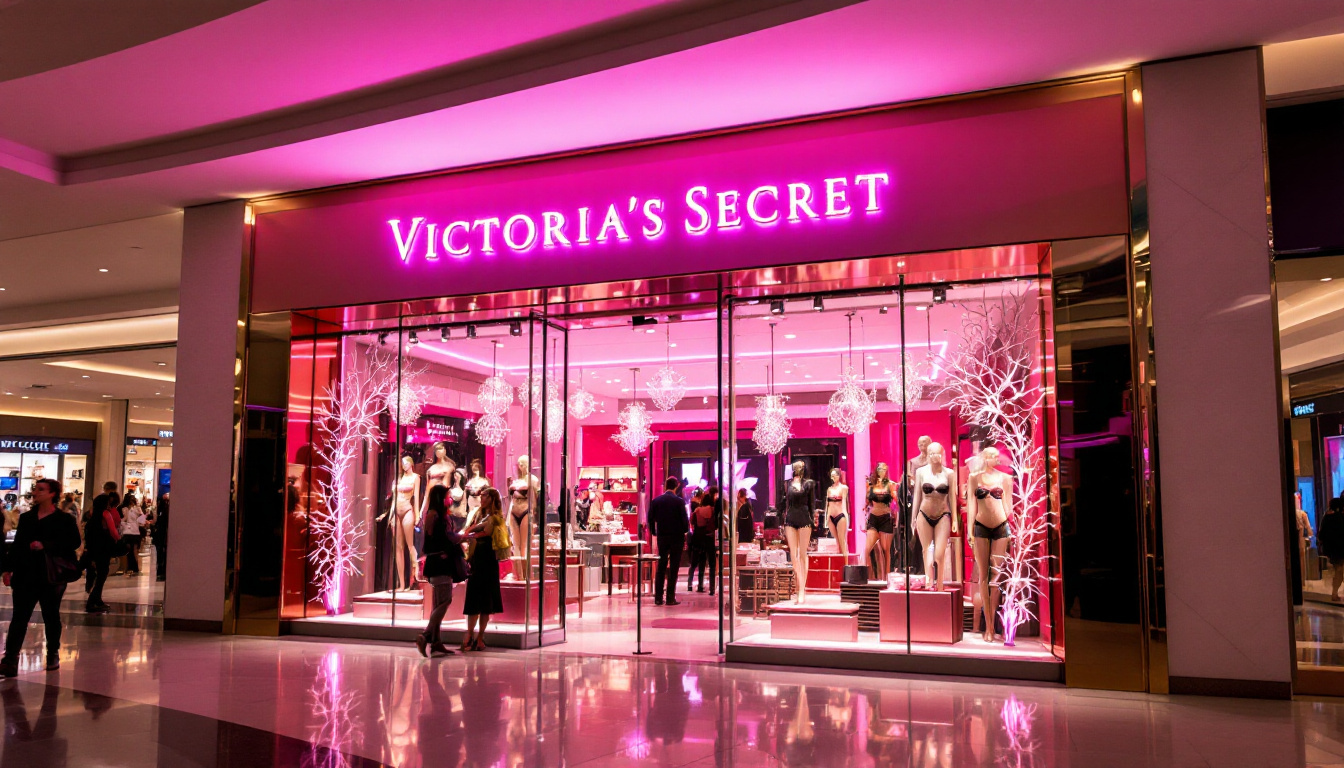
Victoria's Secret did something corporate America almost never does — it admitted the woke rebrand was a catastrophic mistake, reversed course, and watched the money come pouring back in. The lingerie giant ditched its infamous "VS Collective" of activist models and returned to what made the brand a household name: gorgeous women in gorgeous underwear. Shocking strategy, I know.
Remember the VS Collective? That was the brilliant idea where Victoria's Secret replaced supermodels with Megan Rapinoe — a pink-haired soccer player whose primary talent was yelling at referees and lecturing America about social justice. Because nothing says "buy this $80 bra" like a woman who looks like she'd rather be at a congressional hearing.
The whole thing was a masterclass in corporate self-destruction. Victoria's Secret took one of the most recognizable brands on the planet and handed it to the "body positivity" crowd, who promptly turned a lingerie company into a TED Talk. The Angels were grounded. The fashion show was canceled. The message was clear: beauty standards are oppressive, and if you disagree, you're the problem.
Customers disagreed. With their wallets.
The stock chart tells you everything you need to know. During the woke era, Victoria's Secret cratered. The brand hemorrhaged customers who — and this is apparently news to corporate boardrooms — wanted to buy lingerie from a lingerie company, not attend a seminar on intersectional feminism. Sales tanked. The stock became a punchline.
Then someone in the C-suite apparently sobered up. Victoria's Secret quietly shelved the VS Collective, brought back the classic branding, and refocused on what the company actually sells. The result? Stock and profits surged. The earnings reports came in hot — pun absolutely intended — and investors who stuck around got rewarded for their patience.
This is the "go woke, go broke" cycle completing its full revolution. Step one: company caves to activist pressure. Step two: company alienates its actual customer base. Step three: revenue collapses. Step four: company panics, fires the DEI consultants, and goes back to doing what worked. Step five: profits return because — surprise — the market doesn't care about your pronouns.
The beautiful irony here is that Victoria's Secret didn't need to reinvent anything. They just needed to stop apologizing for their own product. The brand was built on aspiration. Women wanted to look like Angels. Men wanted to buy gifts from a store that understood what "sexy" meant. Then some genius decided aspiration was toxic and the whole thing imploded.
Louder with Crowder featured the segment this week, and honestly, the stock chart alone is worth the watch. It's a before-and-after photo that should be framed and hung in every corporate boardroom in America. Woke era: crater. Return to normal: rocket ship.
Let this be a lesson to every Fortune 500 CEO currently nodding along in a diversity meeting. Your customers don't want lectures. They want products. Victoria's Secret learned it the hard way, lost billions learning it, and is now Exhibit A in why you never let Twitter run your company.
Welcome back, Angels. We missed you.